
Tutte le attività
Questo elenco si aggiorna automaticamente
- Ultima ora
-
Buon pomeriggio a voi tutti, chiedo cortesemente se si possa risalire al periodo in cui sia stata creata questa medaglietta e se di fattura italiana o estera. Molte grazie.
-

Monumenti nelle monete provinciali
FlaviusDomitianus ha risposto a un topic di gpittini inviato in Monete Romane Provinciali
Eric ten Brink è un collezionista olandese presente per alcuni anni su Forum Ancient Coins (nickname okidoki), che nel giro di pochi anni aveva messo insieme una ragguardevole collezione di monete di Adriano. Dopo qualche anno ha deciso di liquidare la sua collezione abbandonando il forum. -

Novità IPZS Collezione 2026
pandino ha risposto a un topic di xmabi2 inviato in Euro Monete da collezione Italiane e delle altre Zecche Europee.
Immagino che chi dovesse prendere il numeretto la sera prima, resta in piedi in fila tutta la notte davanti al negozio, giusto? 🤣 -
.thumb.jpg.49bf7893ab8deb0b9efbfc02c41b7421.jpg)
"Making Money in the Early Middle Ages" di Rory Naismith
odjob ha aggiunto un nuovo link in Bibliografia numismatica, riviste e novita' editoriali
"Between the end of the Roman Empire in the fifth century and the economic transformations of the twelfth, coined money in western Europe was scarce and high in value, difficult for the majority of the population to make use of. And yet, as Rory Naismith shows in this illuminating study, coined money was made and used throughout early medieval Europe. It was, he argues, a powerful tool for articulating people’s place in economic and social structures and an important gauge for levels of economic complexity. Working from the premise that using coined money carried special significance when there was less of it around, Naismith uses detailed case studies from the Mediterranean and northern Europe to propose a new reading of early medieval money as a point of contact between economic, social, and institutional history. Naismith examines structural issues, including the mining and circulation of metal and the use of bullion and other commodities as money, and then offers a chronological account of monetary development, discussing the post-Roman period of gold coinage, the rise of the silver penny in the seventh century and the reconfiguration of elite power in relation to coinage in the tenth and eleventh centuries. In the process, he counters the conventional view of early medieval currency as the domain only of elite gift-givers and intrepid long-distance traders. Even when there were few coins in circulation, Naismith argues, the ways they were used—to give gifts, to pay rents, to spend at markets—have much to tell us". Rory Naismith, Making Money in the Early Middle Ages, Princeton University Press, 2026 (Hardcover ed. 2023). https://press.princeton.edu/.../making-money-in-the-early... odjob -

Repubblica di Venezia
417sonia ha risposto a un topic di blarasingiovanni inviato in Monete della Serenissima Repubblica di Venezia
Ciao Giovanni Venezia è una tema avvincente, entusiasmante, fantastico, sia per la sua storia durata un millennio ed anche per la sua zecca e le sue monete, che hanno circolato per tutto il bacino del Mediterraneo, l'Asia, l'Africa ed il nord Europa per altrettanto tempo. Nel forum c'è una sezione specifica dove puoi trovare tanto se non tutto ciò che ti può interessare ed indirizzare, quindi sposto in quella sezione la tua richiesta, se poi hai dubbi, siamo qui! saluti luciano -

Raccolta di rebus attinenti alla Numismatica
Albser ha risposto a un topic di apollonia inviato in Agorà
AS Sumeri , NT è grato, RI ali , menta RI = assumer integratori alimentari -

Raccolta di rebus attinenti alla Numismatica
esperanto ha risposto a un topic di apollonia inviato in Agorà
-

GC Le monete più attraenti di Alessandro Magno
apollonia ha risposto a un topic di apollonia inviato in Monete greche: Grecia
Nella stessa asta Classical Numismatic Group, LLC Triton XXIX, 13-14 Jan 2026 è stato battuto un didramma di Filippo V, il padre di Perseo suo predecessore sul trono della Macedonia. Lot 146 Estimate: 3000 USD. Price realized: 11 000 USD. KINGS of MACEDON. Philip V. 221-179 BC. AR Didrachm (24.5mm, 8.32 g, 12h). Attic standard. Pella or Amphipolis mint; Zoilos, mintmaster. Struck circa 184-179 BC. Diademed head right / Club; mintmaster's monogram and BAΣIΛEΩΣ above, ΦIΛIΠΠOY below, monograms to lower left and right; all within oak wreath tying to left; star to outer left. Mamroth, Philip 24; HGC 3, 1059; SNG Alpha Bank 1053 (same obv. die); O'Hagan Collection (Sotheby's 1908), lot 349 (same obv. die). Old iridescent tone, a few marks. EF. Well struck. An exceptional example, with a sharp portrait. From the G.W. Trow Collection. Ex Numismatica Ars Classica 116 (1 October 2019), lot 81; Peter Guber Collection (Manhattan Sale II, 4 January 2011), lot 33; Kirk Davis FPL 49 (March 2006), no. 33; Classical Numismatic Group 69 (8 June 2005), lot 200 (and front cover). Philip V was the son of the Macedonian king Demetrios II Aitolikos. He was only nine at the time of his father's death in 239 BC, so the kingdom passed to his cousin, Antigonos III Doson, who ruled until 221 BC. The entirety of his reign was devoted to maintaining the supremacy of Macedon in Greece, which inevitably brought the kingdom into conflict with Rome, whose power in Greece was ascendant. Two major wars ensued, the First and Second Macedonian Wars, the latter culminating in the overwhelming defeat of the Macedonians at the Battle of Cynocephalae in 197 BC. Although Philip retained his kingdom, the influence of Macedon was considerably decreased, and Greece passed into the sphere of Rome. apollonia -
Raccolta di rebus attinenti alla Numismatica
Albser ha risposto a un topic di apollonia inviato in Agorà
serica matassa S è ricamata : S S à Buon pomeriggio Apollonia Albser -
Raccolta di rebus attinenti alla Numismatica
apollonia ha risposto a un topic di apollonia inviato in Agorà
apollonia -
Monumenti nelle monete provinciali
apollonia ha risposto a un topic di gpittini inviato in Monete Romane Provinciali
Leu Numismatik, Web Auction 26, lot 2616, 08.07.2023. Lot 2616 Starting price: 50 CHF. Price realized: 120 CHF. The Collection of E. ten Brink: Hadrian PAMPHYLIA. Perge. Hadrian, 117-138. Hexassarion (Bronze, 38 mm, 25.87 g, 6 h). ΑΔ[ΡΙΑΝΟϹ ΚΑΙϹ]ΑΡ ΟΛΥΜΠΙΟϹ Laureate bust of Hadrian to right, with slight drapery on his left shoulder. Rev. ΑΡΤЄΜΙΔΟϹ ΠЄΡ[ΓΑΙΑϹ] Cult statue of Artemis of Perge within hexastyle temple set on base with four steps. RPC III online 2706.2 (this coin). Extremely rare, just two examples cited in RPC, including this coin. A large and impressive issue. Minor corrosion, otherwise, fine. From the collection of Eric ten Brink, ex Rauch E-Auction 26, 15-17 March 2018, 212. apollonia - Oggi
-
Bronzi provinciali romani e mitologia greca
apollonia ha risposto a un topic di apollonia inviato in Monete Romane Provinciali
Zeus Numismatics, Auction 3, 11 Jan 2020, lot 313 Lot 313 Starting price: 20 GBP. Lot unsold. PHRYGIA. Laodicea. Augustus (27 BC-14 AD). Ae. Zeuxis Philalethes, magistrate. Obv: ΣΕΒΑΣΤΟΣ. Bare head of Augustus right; lituus in front. Rev: ZEYΞΙΣ / ΘΙΛΑΛΗΘΗΣ / ΛΑΟΔΙΚΕΩΝ. Staff entwined with serpent. RPC 2895. Condition: Very Fine. Weight: 4.0 gr. Diameter: 16 mm apollonia -

Novità IPZS Collezione 2026
andreaVat ha risposto a un topic di xmabi2 inviato in Euro Monete da collezione Italiane e delle altre Zecche Europee.
🫣 -

Novità IPZS Collezione 2026
mds59 ha risposto a un topic di xmabi2 inviato in Euro Monete da collezione Italiane e delle altre Zecche Europee.
Potrei sbagliare, ma io darei per scontato che cominceranno la sera prima. -

Pulizia alluminio
francus ha risposto a un topic di francus inviato in Conservazione, restauro e fotografia
qualcuno mi può aiutare su questa tematica? -
Novità IPZS Collezione 2026
rufis ha risposto a un topic di xmabi2 inviato in Euro Monete da collezione Italiane e delle altre Zecche Europee.
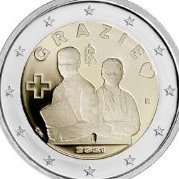
C'è qualcuno che dopodomani andrà a Piazza Verdi? Sarebbe auspicabile coordinarci per ottenere il massimo risultato possibile. Io penso di andare il 5 molto presto ma mi farebbe comodo sapere se qualcuno riesce ad andare anche la sera prima per sapere come è la situazione. In passato pare che abbiano iniziato la distribuzione dei biglietti addirittura la sera prima! -
Raccolta di rebus attinenti alla Numismatica
apollonia ha risposto a un topic di apollonia inviato in Agorà
Salve, Il verbo ‘scontessere’ è citato anche in https://en.wiktionary.org/wiki/scontessere Italian Verb scontèssere (first-person singular present scontèsso, first-person singular past historic scontesséi, past participle scontessùto, auxiliary avére) (transitive) 1. (literary) to undo, to untie 2. (figurative, uncommon) to take apart, to decompose Il verbo si coniuga come ‘contessere’, dal lat. cum e texere, con il significato di ‘intrecciare’. Noi usiamo spesso il participio passato ‘contesto’ (raro ‘contessuto’) con il significato di complesso delle idee e dei fatti contenuti in un testo o in un discorso che consente di determinare il senso di un brano, una frase, una parola e sim., che in tale testo o discorso compaiono. Per estensione, il complesso delle circostanze in cui nasce e si sviluppa un determinato fatto (loZingarelli 2022, Vocabolario della lingua italiana, Zanichelli). apollonia -

2 euro commemorativi 2026
paolo1962 ha risposto a un topic di Franz965 inviato in Monete a circolazione ordinaria di tutti i Paesi dell’Area Euro.
le maltesi emesse quest'anno in coin card hanno zecca diversa da quelle in rotolino? -
5 Lire Vittorio Emanuele II 1876 Roma
Pontetto ha risposto a un topic di PatrizioA inviato in Richiesta Identificazione/valutazione/autenticità
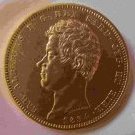
Lo studio di come conservare le monete è un aspetto molto importante. Errori o delusioni ne abbiamo fatti o avute penso tutti, compreso io. L'importante è rendersene conto il prima possibile. Il 5 Lire 1875 che sta diventando verde andrebbe (purtroppo) tolto dalla perizia. Io proverei, come indicato da @Max Tiburzi, o un lavaggio molto delicato in acqua e sapone, o un lavaggio con acetone puro (si trova in ferramenta e non danneggia la moneta e non toglie il lustro), o volendo entrambi, seguito da asciugatura delicatissima con panno in microfibra. Dovrebbe bastare. Poi lungo riposo, all'aria aperta e su velluto. Consiglio di non vendere le monete, ma di provare tali procedure anche a scopo di studio personale. Purtroppo le plastiche hanno fatto e continuano a fare infiniti danni a molte monete (ci sono molte variabili, dal tipo di plastica al metallo della moneta, che solo con molta esperienza si riescono a capire e a gestire, nel dubbio però meglio evitare soprattutto le plastiche "morbide", come quelle di fogli o oblò. Le plastiche rigide come quelle delle capsule sono molto meglio, però anche qui ci sarebbe da approfondire 🙂) -

Repubblica di Venezia
blarasingiovanni ha aggiunto un nuovo link in Monete della Serenissima Repubblica di Venezia
Buongiorno sono un appassionato di storia della repubblica veneta,mi sto avvicinando ai prodotti della zecca veneziana..qualcuno mi può dare suggerimenti per i iniziare una collezione? -
blarasingiovanni si è registrato sul forum
-

Le più belle rappresentazioni di guerrieri
King John ha risposto a un topic di King John inviato in Monete greche: Grecia
Gemini, Auction IX, lot 105, 8/01/2012 Mysia. Cyzicus. c. 400 BC. Hecte or 1/6 stater, 2.72g. (h). Obv: Perseus kneeling right, his head reverted, wearing a winged magic hood. A cloak over his shoulders is fastened with a circular brooch on his breast and its end covers his left arm, in which he holds head of Medusa. Below, tunny fish right. Rx: Four-part incuse square. Traite II 2, pl. 174, 19. von Fritze 162. SNG Paris 312. This coin is highly sought after and does appear on a somewhat regular basis, but a coin of this sharpness and centering is unparalleled. Even the head of Medusa is detailed. Mint State. The Argive hero Perseus undertook to obtain the head of Medusa, the only mortal Gorgon, whose look could turn any living creature into stone. The gods equipped Perseus with an adamantine sword, a helmet of invisibility, winged shoes, and a magic knapsack. Even after decapitating Medusa, he had to avoid looking at her head, which had retained its deadly power. Perseus rescued the Phoenician princess Andromeda by using Medusa's head as a weapon against the sea-monster that was threatening her. Perseus married the princess and in Greek myth became the ancestor of the Persians . ILLUSTRAZIONE: pelike ateniese del 450 a.C. circa che raffigura Perseo mentre decapita Medusa che dorme, Metropolitan Museum (New York) -
Vaticano 2025
paolo1962 ha risposto a un topic di intermundia inviato in Euro Monete da collezione Italiane e delle altre Zecche Europee.
ci proverò 😂 -
 stba si è registrato sul forum
 -
Le più belle rappresentazioni di guerrieri
King John ha risposto a un topic di King John inviato in Monete greche: Grecia
Concordia Numismatic, Auction 30, Lot 113, 29/05/2025 Greek Mysia, Kyzikos. EL Hekte, 2.68 g 11.24 mm. 5th-4th centuries BC. Obv: Perseus kneeling right, wearing Hades' invisibility helmet, head left, holding harpa and severed head of the Medusa; below, tunny right. Rev: Quadripartite incuse square. Ref: - Fine This remarkable electrum hekte originates from Kyzikos, one of the most prominent coastal cities in the ancient region of Mysia, rather than Ionia as sometimes mistakenly cited. The coin vividly illustrates a central scene from Greek mythology: the heroic slaying of Medusa by Perseus. The hero is shown kneeling, facing right, while turning his head left, wielding a harpa (sickle-shaped sword) and holding the severed Gorgon’s head. A particularly striking and rare element in this depiction is the helmet worn by Perseus, which may represent the legendary Helmet of Hades (Hades’ cap of invisibility). According to myth, this divine helmet was lent to Perseus by the gods to aid him in his mission. It rendered him invisible, allowing him to approach and behead Medusa without falling victim to her petrifying gaze. While previously published examples of this type tend to be poorly preserved or weakly struck—making it difficult to determine whether Perseus is indeed wearing the Helmet of Hades—this specimen is notably better preserved in the area of the helmet, allowing for an informed and plausible interpretation. This opens the possibility that the coin intentionally depicts Perseus wearing Hades’ cap, which would make this piece unique or at least highly unusual in its iconography. The tunny fish beneath Perseus is a well-known civic emblem of Kyzikos and serves to localize the coin, linking it to the city's maritime identity and economic life. This coin stands out not only for its mythological richness and artistic merit, but also for its potential iconographic singularity. It is a powerful synthesis of regional identity and divine mythology, making it a significant and rare example within the corpus of early electrum coinage from Mysia. -

Grecia 20 dracme 1960
Gabriele5 ha risposto a un topic di Gabriele5 inviato in Richiesta Identificazione/valutazione/autenticità
Grazie a tutti per i vostri pareri. -

5 Lire Vittorio Emanuele II 1876 Roma
PatrizioA ha risposto a un topic di PatrizioA inviato in Richiesta Identificazione/valutazione/autenticità
Dici che posso farle recuperare opacità usando un vassoio? Vorrei evitare di darla via perché i dettagli sono bellissimi (anche se la foto compressa non rende l’idea). Colleziono da pochi mesi ma inizio a capire quanto la plastica sia da evitare. Ho un altro 5 lire del 75 periziato che ha iniziato a diventare verde.