Tutte le attività
Questo elenco si aggiorna automaticamente
- Ultima ora
-

Consiglio
Ale75 ha risposto a un topic di Mann9696 inviato in Richiesta Identificazione, valutazione e autenticità
Buongiorno @Mann9696 un consiglio ma su cosa? Identificazione? Autenticità per un acquisto? Io il primo consiglio che ti posso dare è pubblicare sempre una moneta per post con foto piu ravvicinate e nitide possibile e dati ponderali 🙂 -
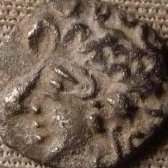
Medaglia devozionale da identificare.
alainrib ha risposto a un topic di alainrib inviato in Medaglistica
Buongiorno Borgho e grazie per questa risposta. -
 AndreLi si è registrato sul forum
 -
Trovate in un cassetto della nonna
AndreLi ha aggiunto un nuovo link in Richiesta Identificazione, valutazione e autenticità
Buongiorno a tutti, ho trovato un sacchetto in un cassetto della nonna, che conteneva queste monete. Non sono un esperto, e volevo gentilmente chiedervi se secondo voi c'è qualcosa di rilevante. Grazie tante! - Oggi
-

Quando si dice "Non hai la stoffa"...
littleEvil ha risposto a un topic di littleEvil inviato in Cartamoneta e Scripofilia
Puro marketing, già allora! Vedi anche questa discussione sulla serie di Natale avevano capito che il giochino funzionava ed hanno emesso un po' dappertutto una massa di "serie speciali". -
 Magma si è registrato sul forum
 -

Quando si dice "Non hai la stoffa"...
Guysimpsons ha risposto a un topic di littleEvil inviato in Cartamoneta e Scripofilia
Una storia di sfruttamento del punto debole di noi collezionisti. Grazie, molto interessante -
Filatelia e numismatica sono emissioni ufficiali degli Stati, solitamente ci sono attinenze e affinità.
-
 Pxacaesar ha cambiato la sua foto del profilo
 - Ieri
-

Raccolta di rebus attinenti alla Numismatica
apollonia ha risposto a un topic di apollonia inviato in Agorà
Il vaso lacrimatorio o lacrimatoio è il nome dato comunemente a vasetti di terracotta, vetro o alabastro, in genere a collo e bocca stretti, corpo sferoidale od ovoidale schiacciato in basso, rinvenuti in gran numero soprattutto nelle tombe romane e cristiane. A differenza di quanto suggerisce il nome, i lacrimatoi non servivano a raccogliere le lacrime dei piangenti ai funerali ma a contenere unguenti od oli profumati. A Venezia, negli anni Settanta, ho acquistato questa riproduzione di un lacrimatoio in vetro azzurro soffiato (lunghezza 25,5 cm; diametro imboccatura 38 mm). Buonanotte, apollonia -

Raccolta di rebus attinenti alla Numismatica
esperanto ha risposto a un topic di apollonia inviato in Agorà
va sola C, rimatori O = Vaso lacrimatorio. Buonanotte! -
GC Le monete più attraenti di Alessandro Magno
apollonia ha risposto a un topic di apollonia inviato in Monete greche: Grecia
Dramme di Alessandro Magno dalla Gorny & Mosch 317, Part 1 Lotto 118. Venduto a 1’100 EUR MAKEDONISCHE KÖNIGE. Alexander III. der Große, 336 - 323 v. Chr. Drachme ø 18mm (4.23g). 310 - 301 v. Chr. Mzst. Lampsakos. Vs.: Kopf des Herakles mit Löwenskalp n. r. Rs.: ΑΛΕΞΑΝΔΡΟΥ, Zeus mit Adler u. Zepterstab n. l. sitzend, l. im Feld Löwenprotome u. Σ (?), unter dem Thron Monogramm. Price - (vgl. 1839 ff.); Müller - . Stempelfrisch! Provenienz: Ex PML Collection. apollonia -
Bronzi provinciali romani e mitologia greca
apollonia ha risposto a un topic di apollonia inviato in Monete Romane Provinciali
Zeus Numismatics, Auction 3, 11 Jan 2020, lot 395 Lot 395. Starting price: 20 GBP. Price realized: 26 GBP. CILICIA. Soloi Pompeiopolis. Domitian (AD 81-96 AD). AE Bronze. ΔΟΜΕΤΙΑΝΟΣ ΚΑΙΣΑΡ. laureate head of Domitian, r / ΠΟΜΠΗΙΟΠΟΛΕΙΤWΝ ΒΝΡ ΠΡ ΜΕ, ΔΗ/ ΑΛ/ ΚΑ. Athena standing, l., holding Victory in r. hand, l. hand resting on shield.RPC II, 1724. Condition: Very Fine. Weight: 9.0 gr. Diameter: 25 mm. apollonia -

20 lire littore 1927
Alex79 ha risposto a un topic di Alex Cinquantenario inviato in Regno d'Italia: identificazioni, valutazioni e altro
Partendo dal presupposto che le trovo tutte bellissime le monete del Regno, fattibile sì ma molto difficile e sarebbe una ricerca lunga. Io ti consiglierei se hai la possibilità di concentrarti su quelle che ti piacciono, anche vedendole dal vivo a convegni, mercatini, aste e poi se riesci prenderle in buona conservazione. Più che altro una moneta come il littore o per esempio anche quelle in rame, fanno tutto un altro effetto se perfette o quasi. Poi non voglio troppo "inquinare" il post dell' opener. Ma io fossi in Te farei così. Poi se invece vuoi averle tutte , ma ce ne sono di rare che costano parecchio anche in bassa conservazione, il discorso cambia. Però fidati cominci a vederne una che ti piace, le confronti la studi, e poi la fai tua e ricominci la caccia . Per certi pezzi chiaro anche chi te la vende conta. L' alta conservazione tieni meglio il valore. Soprattutto in questi ultimi anni. -

20 lire littore 1927
modulo_largo ha risposto a un topic di Alex Cinquantenario inviato in Regno d'Italia: identificazioni, valutazioni e altro
Giacchè ci siamo, e vedo che sei nottambulo anche tu.. secondo te sarebbe fattibile riuscire a mettere insieme tutte le tipologie in rame, bronzo ed argento del regno? Per Vittorio Emanuele II ed Umberto I credo sia abbastanza fattibile, ma per Vittorio Emanuele III sospetto che non si riesca, tu cosa ne pensi? Mi sto riavvicinando alle monete del regno dopo oltre 20 anni , ti dico anche che non sono un fanatico delle alte conservazioni, purchè la moneta sia leggibile e godibile.. -
20 lire littore 1927
Alex79 ha risposto a un topic di Alex Cinquantenario inviato in Regno d'Italia: identificazioni, valutazioni e altro
Mio consiglio è di aspettare e prenderlo in conservazione alta. Vedrai che non te ne pentirai. -
Raccolta di rebus attinenti alla Numismatica
apollonia ha risposto a un topic di apollonia inviato in Agorà
apollonia -
20 lire littore 1927
modulo_largo ha risposto a un topic di Alex Cinquantenario inviato in Regno d'Italia: identificazioni, valutazioni e altro
Mhmm..allora mi accontenterei tranquillamente anche di un BB, tipologia molto affascinante! 👍 -
Curiosità nella lingua italiana: aforismi, battute, aneddoti, ecc.
apollonia ha risposto a un topic di apollonia inviato in Agorà
Natura preziosa I diamanti sono tanto pregiati per via del loro particolare processo di formazione: si tratta infatti di carbonio puro cristallizzato a pressioni tra 25mila e 70mila chili per centimetro quadrato e a temperature tra 1.500 e 2.000 gradi, circa 200 chilometri sotto la superficie terrestre. apollonia -
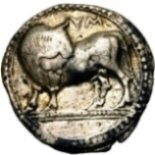
Trifollaro per Guglielmo II
VALTERI ha aggiunto un nuovo link in Monete Medievali di Zecche Italiane
Da Messina, per Guglielmo II di Altavilla re di Sicilia, un trifollaro anepigrafe nella attraente tipologia con al diritto testa frontale di leone ed al rovescio albero di palma . Sarà il 10 Maggio in vendita Numisfitz 8 al n. 1224 . -
20 lire littore 1927
Alex79 ha risposto a un topic di Alex Cinquantenario inviato in Regno d'Italia: identificazioni, valutazioni e altro
Secondo me devi moltiplicare per 5 , come minimo. -
Da Cracovia, un notevole esemplare ( con descrizione minima ) di denaro per Boleslao III 'boccatorta' re di Polonia, con al diritto due figure frontali affiancate ed al rovescio croce contornata da leggenda . Sarà il 10 Maggio in vendita Numisfitz 8 al n. 1205 .
-
Da Cuma nell' Eolide anatolica, un attraente esemplare di emidracma con al diritto aquila stante ed al rovescio protome di cavallo al galoppo . Sarà iò 10 Maggio in vendita Numisfitz 8 al n. 218 .
-
20 lire littore 1927
modulo_largo ha risposto a un topic di Alex Cinquantenario inviato in Regno d'Italia: identificazioni, valutazioni e altro
Buonasera, secondo voi è possibile trovare un esemplare simile sulle 100 euro? -
Quando si dice "Non hai la stoffa"...
littleEvil ha risposto a un topic di littleEvil inviato in Cartamoneta e Scripofilia
Appena trovo una macchina del tempo vado in una panetteria di Bielefeld del 1921 e pago con il mio biglietto, così ha circolato! 🤪 Scherzi a parte e senza pretesa di correttezza, esistono altri biglietti in classica carta, quelli si che erano fatti per circolare. Questi in tessuto erano stati creati invece proprio come serie particolare, per collezionisti. -

Vaticano 2025
Federico21 ha risposto a un topic di intermundia inviato in Euro Monete da collezione Italiane e delle altre Zecche Europee.
La CFN di fretta non ne ha...io sto ancora aspettando l'ordine del 5 Febbraio... -

ID Cilician Armenia Ae
Carlo. ha risposto a un topic di Ajax inviato in Richiesta Identificazione, valutazione e autenticità
Adesso si che va bene! Quella è l'unica somigliante che ho trovato, ma non è un "gran" manuale. Purtroppo Né il Malloy né lo Schlumberger trattano la Cilicia Armena, non essendo parte dell'"Oriente Latino". Credo neanche il Metcalf, che però non ho.