
Tutte le attività
Questo elenco si aggiorna automaticamente
- Ultima ora
-
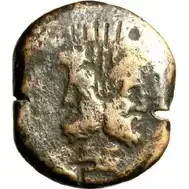
Credo sia inutile , a meno che @Villanoviano non ci dica quali foto sono di pezzi autentici e quali siano i falsi , postare foto di altri Assi fusi ; gia' risulta piuttosto difficile (tranne che per i tecnici di questo tipo di monetazione) riconoscere dal vivo un fuso autentico da uno falso , figuriamoci quanto piu' lo sia giudicare Assi fusi da una foto . Inoltre occorrerebbe inserire anche i pesi oltre alle foto .
-

Richiesta identificazione
GiadaG ha risposto a un topic di GiadaG inviato in Richiesta Identificazione/valutazione/autenticità
Scusate nn avevo letto grazie -
 Pxacaesar ha cambiato la sua foto del profilo
 -
Dal 26% al 12,5%? Le ipotesi sulla nuova imposta per l’oro da investimento
Carlo. ha risposto a un topic di danielo93 inviato in Questioni legali sulla numismatica
Pare sia stata stralciata l'ipotesi di nuova tassazione sull'oro da investimento, non presente in Manovra. https://www.milanofinanza.it/news/manovra-niente-tassa-sull-oro-da-investimento-ne-fa-le-spese-piazza-affari-202512160052316392 -
Giusto, mi sono sbagliato io, pure quelle del 1965 in poi sono amagnetiche.😅
-
50 centesimi 1863 valore, Milano, VE II
SS-12 ha risposto a un topic di Ronak inviato in Regno d'Italia: identificazioni, valutazioni e altro
Complimenti! Bellissima moneta in alta conservazione! -
10 centesimi V.E.III° cinquantenario 1911 "parzialmente rosso"
Carlo. ha risposto a un topic di Alan Sinclair inviato in Regno D'Italia: approfondimenti
Poco, 26 euro. Ma c'è anche usura (vedi i capelli della donna e l'elmo), sulla data ci sono dei colpetti/graffi. Neanche a me piace, motivo per cui non ho offerto. La ho segnalata qui perché mi pare sia l'unica combinazione non ancora osservata (almeno da me), ovvero 1°conio con difetto di amalgama. A questo punto osserviamo che tutti i tondelli sono stati usati per tutti e tre i conii. -
Grazie mille a tutti!
-
Messana tetradrachm
Lelouch ha risposto a un topic di planetetour inviato in Monete greche: Sicilia e Magna Grecia
I've re-read the paper again. I will admit I somewhat wrong here, but I also think there is some nuance still in her word choices as in her writing she uses both Nymphe and Ninfe. The key statement she says is "Dalle antiche esperienze mesopotamiche a quelle più tarde di età classica ai più recenti racconti di età medievale si evince come le dee dispensatrici della regalità siano in primo luogo guerriere; la loro fondamentale capacità seduttiva le rende letteralmente irresistibili; sono in grado di conferire la regalità a loro esclusivo piacimento e tale conferimento assume spesso l'aspetto di uno hieròs gamos. Benché siano spesso collegate alla fertilità e possano avere dei figli non sono principalmente madri, perché sono prima di tutto – ci sentiamo ormai di aggiungere noi – delle Nymphai, cioè delle 'Spose' nel senso letterale che il termine greco possiede." In ancient Greek, νύμφη means bride first and foremost https://en.wiktionary.org/wiki/νύμφη#Ancient_Greek The 2nd definition is then to the female nature spirit In modern usage, when we see nymph I think most would agree we think of one of the female nature spirit such as the Oceanids or Nereids or fountain nymphs https://en.wiktionary.org/wiki/nymph. Indeed the most common usage is of this female nature spirit, Wikipedia as well shows https://en.wikipedia.org/wiki/Nymph this version of the word So it is interesting, for example Arethusa is a true fountain nymph of Greek mythology. And she is the bride of Syracuse so thus also nymph in the aspect Caltabiano brings up. Arethusa is a nymph in 2 regards. Kamarina is also a mythological nymph, daughter of Oceanus https://www.theoi.com/Nymphe/NympheKamarina.html And she is the bride of the city. Kamarina is also a nymph in 2 regards. But, Messana is not a Greek mythological nymph. We don't see her with a hydria, there are no springs in her name (as there wouldn't be as we know the etymological reason of the naming of Messana), no mythologically nymph symbols. But she is a nymph in that she is the bride of the city. Prof. Caltabiano doesn't say nymph Messana though in her own work in 1993, but she clearly could if she really wanted. Perhaps she understands that most see nymph in the Greek mythological sense. In fact as well she titles this article "DEA E NYMPHE. L’IDEOLOGIA DELLA PERSONIFICAZIONE DELLA CITTÀ NELL’ICONOGRAFIA MONETALE" I believe the common word for Nymph in Italian is Ninfa / Ninfe. "Nymphe" and "Nymphai" is what she writes though in the above, however earlier she writes "definite in genere nella letteratura numismatica con l'appellativo di Ninfe". So Caltabiano is drawing this distinction as well between these two versions of the words. As I do think most would agree with the above that we would see ninfe / nymph and think of the female nature spirit. Nymphe seems to be itself is sort of a concept that these various female figures embody. Some of them are quite literal mythological nymphs like Arethusa and Kamarina, but even as well with like Aigeste's mythology indicating she maybe is a heroine, Himera being an aspect of Aphrodite Himeros, and there being no signs of Messana being a mythological nymph it is okay if they are not all mythological nymphs they can be Nymphe. So I guess one could argue it is okay to label Messana as nymph, but in my opinion Caltabiano does seem to distinguish between Nymphe and Ninfe and the auction houses and most others are interpreting as it as the Greek mythological nymph, which would be incorrect. Most still are citing Caltabiano's 1993 opus on Messana where Caltabiano doesn't say nymph even though she is the one to later call them all Nymphai in 2012. I am still curious as to where exactly the auction houses are misquoting the attribution as again Caltabiano, Rizzo, BMC Sicily, de Luynes, SNG ANS, Weber, Jameson do not say nymph. Is there a major reference that says nymph as we all seem unable to find one. I am certain Caltabiano could have very easily nymph Messana in her work if she wanted to and even defended it, but she intentionally didn't and even now uses 2 different words. So I do think she would still say there is no nymph Messana. Should we call Messana a nymph (ninfe)? In my opinion no as the majority of the population won't recognize it for the meaning of bride of the city and would see it as nature spirit. Nymph in the modern day doesn't retain bride as a meaning https://en.wiktionary.org/wiki/nymph so it will only mislead people. - Oggi
-

GELA - DIDRAMMA FALSO / FORGERY DIDRACHM - LEU FPL N.37
coinzh ha risposto a un topic di odisseo inviato in Monete greche: Sicilia e Magna Grecia
Ritengo altamente improbabile che una ditta che vende cosi‘ tante monete come cbg non abbia mai venduto una moneta romana falsa senza saperlo. questo non e‘ un motivo per non comprare da loro. Tutti i commercianti avranno venduto qualche moneta falsa senza saperlo. Importante e‘ come reagiscono quando un cliente riporta loro un falso. -
Didramma di Metaponto fresco fresco dalla Varesi 82
coinzh ha risposto a un topic di apollonia inviato in Monete greche: Sicilia e Magna Grecia
Secondo voi quale temperatura aveva il tondello in argento prima della coniazione ? con quanta forza bisognava dare la martellata per coniare ? Molta forza o una martellata leggera ? che malleabilita‘ aveva il metallo poco prima della coniazione ? Paragonabile al burro nel frigorifero o piu‘ dura ? -

Asse
L. Licinio Lucullo ha risposto a un topic di Villanoviano inviato in Monete Romane Repubblicane
Scusa, dove prendi le foto? -
Scusa una domanda: è dall'inizio che si dice che la Russia è debole e incapace rispetto noi e adesso si dice invece che se vuole attaccarci deve farlo ora perché più forte e noi siamo ancora impreparati ? Delle due l'una: o erano baggianate prima o lo sono adesso.... Ma poi perché dovrebbe attaccare ? Non ci sono ragioni economiche o altro...
-

Richiesta identificazione
gennydbmoney ha risposto a un topic di GiadaG inviato in Richiesta Identificazione/valutazione/autenticità
Ti hanno già risposto qui... È inutile aprire altre discussioni uguali,tanto il verdetto non cambia,l'oggetto che hai postato è una copia di nessun valore... -
E di questa che ne dite
-
E' ampiamente noto agli addetti ai lavori e analisti europei e russi che in Ucraina ci sono consiglieri militari di vari paesi, e in precedenza c'erano anche istruttori militari (adesso invece sono gli ucraini che istruiscono gli altri). Non è causale che in UK abbiano dato risalto mediatico alla morte di quel soldato, in quanto si va verso garanzie all'Ucraina che includono anche l'assistenza militare con truppe sul terreno. Quindi tranquillo che la russia non ha bisogno di pretesti simili per attaccare, ne può usare di meno complicati e più spettacolari. Ma se vuol farlo si deve sbrigare, perchè l'apparato militare europeo sta oliando i suoi ingranaggi arrugginiti e il bilancio per la difesa complessivo dell'UE ("fondi neri" esclusi) va verso i 400 miliardi di euro.
-
Messana tetradrachm
Lelouch ha risposto a un topic di planetetour inviato in Monete greche: Sicilia e Magna Grecia
Grazie mille, Archestrato. I appreciate both references. Interesting that the 1st article says both "Ninfe Messana", but reading further it then says "Ecco la conferma che il diritto rappresenta la dea eponima della città." I am not sure if Caltabiano is so plain about it though. Messana specifically is only mentioned once. She says "In Sicilia e nell'Italia Meridionale, già nella prima metà del V secolo a.C., si registra un fenomeno che non trova riscontro nelle monetazioni di altre aree geografiche: la presenza delle personificazioni delle Città, protettrici soprannaturali e loro incarnazioni divinizzate, definite in genere nella letteratura numismatica con l'appellativo di Ninfe. ... Verso il 420 e il 415 a.C., anche Messana e Camarina rappresentano la dea cittadina, la prima alla guida di una biga di mule, la seconda in volo sul dorso di un cigno. In tutti questi casi l'identità del soggetto rappresentato è resa certa dal nome della personificazione, espresso al nominativo." This translate I believe to "In Sicily and Southern Italy, already in the first half of the 5th century BC, a phenomenon appears that finds no parallel in the coinages of other geographical areas: the presence of personifications of Cities, supernatural protectors and their deified incarnations, generally defined in numismatic literature by the appellation of Nymphs. ... Around 420 and 415 BC, Messana and Camarina also represent the city goddess, the former driving a biga of mules, the latter flying on the back of a swan. In all these cases, the identity of the subject represented is made certain by the name of the personification, expressed in the nominative case." Importantly she says "genere nella letteratura numismatica con l'appellativo di Ninfe" / "generally defined in numismatic literature by the appellation of Nymphs". Please correct me if I am wrong, but I believe this should be interpreted as this does not mean they are all nymphs, and in fact she is perhaps suggesting that the literature may not be correctly in calling them nymphs. If they were all nymphs would she not plainly state it? I believe as well Aigeste is another "Nymph" which is sometimes more so seems as a female heroine based on her mythology instead of a proper Nymph so Messana is not without precedent. And I believe in fact the further point Caltabiano makes is that Himera also should not be seen as just a nymph, but also as "divinità poliadica" and as as an aspect of Aphrodite (sort of like Artemis-Arethusa and their syncretization). "Nella voce Himera redatta per il LIMC avevo proposto di leggere nel nome Himera un appellativo di Afrodite: poiché Himeros (la 'bramosia amorosa') in età arcaica aveva costituito insieme ad Eros il principale attributo di Afrodite (Tav. V d), Himera sarebbe stata un'ipostasi, una trasformazione, della grande dea che, infondendo il desiderio amoroso negli esseri animati, assicurava la fecondità e la continuità della vita." "Dispensatrice e legittimatrice del potere regale secondo il modello fenicio-cipriota, Himera – proiezione simbolica di un'Afrodite ispiratrice del desiderio amoroso e pronta a concedersi all'unione coniugale – sarebbe stata dunque la dea in grado di conferire a colui che aveva dato prova della propria areté nella vittoria agonistica il potere regale, divenendo la sua protettrice ma anche la sua amante divina." So even with Himera it seems to me that Caltabiano is questioning the nymph status of Himera. Throughout the article itself Caltabiano rarely uses either word ninfe or nymphe, only appearing 5 times in total and 2 times in the main content. And thus it still seems to me does not seem like she believes Messana is a nymph. -
Richiesta identificazione
GiadaG ha aggiunto un nuovo link in Richiesta Identificazione/valutazione/autenticità
Vorrei cortesemente sapere che tipo di moneta e’ ed il suo possibile valore . Pesa 9 g ed ha un diametro di 23 mm. Grazie iloveimg-compressed 2.zip -
Concordo sul qFDC.
-

Raccolta di rebus attinenti alla Numismatica
Albser ha risposto a un topic di apollonia inviato in Agorà
Tipo poco serio -

Messana tetradrachm
Archestrato ha risposto a un topic di planetetour inviato in Monete greche: Sicilia e Magna Grecia
I also suggest to check this reference: Sebastiano Nerina Consolo Langher “Contributo alla storia della antica moneta bronzea in Sicilia”, since it is quoted in an article appeared in 1994 in Panorama Numismatico, page 3 of this pdf: https://www.panorama-numismatico.com/wp-content/uploads/monetazione-messano-mamertina.pdf However after a brief research I have found that professor Caltabiano herself gives us a plain explanation on the use of the word nymph: https://www.academia.edu/68594813/MARIA_CACCAMO_CALTABIANO_DEA_e_NYMPHE_lideologia_della_personificazione_della_Città_nelliconografia_monetale -

Messana tetradrachm
numa numa ha risposto a un topic di planetetour inviato in Monete greche: Sicilia e Magna Grecia
Fully agree Lelouch, Caltabiano is undoubtedly the foremost reference for the coinage of Messana -
Messana tetradrachm
Lelouch ha risposto a un topic di planetetour inviato in Monete greche: Sicilia e Magna Grecia
Grazie Archestrato. Will try to find it, but doesn't seem to be free online so might take a while. But really, should we not all look towards Caltabiano as the expert on this coinage? Perhaps she would even supercede the Italian Ministry on Cultural Heritage too. Her book on Messana is recent being written in only 1993. And as shown above the other numismatists after her either have weak (Hoover) or no arguments (Westermark). The great Rizzo before her are also says "Biga guidata da auriga muliebre". So would there really be new evidence he was unaware of that that this Georges Vallet would be, but then Caltabiano in 1993 would no longer be? Her whole work as is well is focused on iconography and the spread of symbols. Nymphs are significant so would she not have been able to "find" the nymph Messana if there really was one. -

Raccolta di rebus attinenti alla Numismatica
apollonia ha risposto a un topic di apollonia inviato in Agorà
apollonia - Ieri
-
Messana tetradrachm
Archestrato ha risposto a un topic di planetetour inviato in Monete greche: Sicilia e Magna Grecia
Sìnce on the online catalogue of cultural heritage of the Italian Ministry of Culture the auriga is described as nymph Messana and the bibliographic reference given is to Georges Vallet 1958 (I guess in “Rhégion et Zancle: histoire, commerce et civilisation des cités chalcidiennes du détroit de Messine”), I would suggest checking his work for the possible origin of the definition of nymph referring to the auriga on the coinage of Messana. -
 Roberto191158 si è registrato sul forum
 -
Messana tetradrachm
Lelouch ha risposto a un topic di planetetour inviato in Monete greche: Sicilia e Magna Grecia
As obvious I don't speak Italian, but perhaps one of the members here could write to Caltabiano and ask her opinion on this. But based on her work she does not find a nymph.