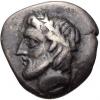
proklès Inviato 13 Marzo, 2015 #1 Inviato 13 Marzo, 2015 Salve, In the same auction of Elsen, there is also a coin of Populonia with a die break on the obverse. After a quick search on internet, I found 12 coins with the similar default. Is it reasonable to assume that all these coins have been struck by the same die and that this became worner and worner... Could we also assume that all these coins come from the same hoard? Grazie!!! Cita
Tinia Numismatica Inviato 13 Marzo, 2015 #2 Inviato 13 Marzo, 2015 (modificato) i think no. A lot of etruscan coins shown this same kind of defect. Etruscans do not gave more importance to the appearance of their coins. This is clearly evidenced by the great number of etruscan silver coins, sold in the past time in Worldwide auctions and with different provenances that shown this problems of broken dies.. Simply they continue to use the damaged dies until the engraved image were almost totally disappeared. In the Vecchi's book of etruscan coins, you can see many of 20 asses with Gorgon mask and many 10 asses with apollo's head struck by extremely worn dies, almost unrecognizables. This do not want to mean that they become from the same hoard, but just that etruscans used the dies for a very long term. Modificato 13 Marzo, 2015 da Tinia Numismatica Cita
dux-sab Inviato 13 Marzo, 2015 #3 Inviato 13 Marzo, 2015 @@Tinia Numismatica, in poche parole sono autentici ? Cita
Tinia Numismatica Inviato 13 Marzo, 2015 #4 Inviato 13 Marzo, 2015 @@Tinia Numismatica, in poche parole sono autentici ?CERTO! ..Avercene! Cita
proklès Inviato 13 Marzo, 2015 Autore #5 Inviato 13 Marzo, 2015 (modificato) Many thanks for your answer!!! In this case I was struck by the fact that all the above coins presented a die break presenting the same pattern: a diagonal beginning from the top left and ending in the area of the right eye and the noose Modificato 13 Marzo, 2015 da proklès Cita
Tinia Numismatica Inviato 13 Marzo, 2015 #6 Inviato 13 Marzo, 2015 Many thanks for your answer!!! In this case I was struck by the fact that all the above coins presented a die break presenting the same pattern: a diagonal beginning from the top left and ending in the area of the right eye and the noose There is nothing to be surprised. The die break start with an hairline sign on the surface and it become greater at any hammer blow.The last coin struck,shown the loss of the entire left side of the face. Anyway these coins are very important for the study of the life in use of the dies under the Etruscans. Cita



Risposte migliori
Unisciti alla discussione
Puoi iniziare a scrivere subito, e completare la registrazione in un secondo momento. Se hai già un account, accedi al Forum con il tuo profilo utente..