wsstj Posted July 25, 2023 #1 Posted July 25, 2023 Ciao a tutti. Ho due monete identiche di questo tipo. Ma ho scoperto che i loro schemi erano diversi. Sono stati colpiti da diverse coni? 2 Quote
Giov60 Posted July 25, 2023 #2 Posted July 25, 2023 Ottime le foto dei particolari, ma potresti postare anche le monete intere, diritto e rovescio? The photos of the details are excellent, but could you also post the whole coins, obverse and reverse? Quote
wsstj Posted July 28, 2023 Author #3 Posted July 28, 2023 Il 25/7/2023 alle 20:38, Giov60 dice: Ottime le foto dei particolari, ma potresti postare anche le monete intere, diritto e rovescio? The photos of the details are excellent, but could you also post the whole coins, obverse and reverse? 1 Quote
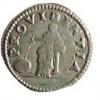
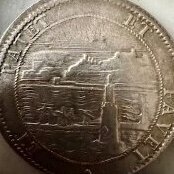
Giov60 Posted July 29, 2023 #4 Posted July 29, 2023 Molto interessante, anche se apparentemente si tratta di inezie. Intanto i 2 scudi sono sicuramente originali ed entrambi in conservazione molto alta. Sono curioso: come mai hai 2 scudi Pontifici eguali visto che sei più interessato ad altre zecche? Comunque la tiratura ufficiale di tali monete nella zecca di Roma fu di 2860 esemplari. Fu prodotto un solo diritto (la faccia con lo stemma del Camerlengo) ben riconoscibile per la frattura di conio che attraversa la moneta da ore 8 a ore 2 e che traspare sulle lettere S di SEDE e la prima C di MDCCCXXX. Come hai evidenziato i rovesci sono 2: per semplicità ho identificato un altro particolare rivelatore che differenzia i 2 conii, e cioè i raggi che emergono dalla punta dell'ala sinistra della colomba: solo 1 di maggior spessore nel conio in basso (più comune) e 3 nell'esemplare in alto (e uno tangente subito sotto, tutti sottili) di conio decisamente più raro. Il fatto che gli esemplari di 2° tipo apparsi in asta siano tutti in alta conservazione e le caratteristiche dei raggi (più sottili dei rimanenti) mi fa pensare ad un conio (meglio, punzone) rimaneggiato in zecca e ad una tiratura più tardiva, anche se la frattura al rovescio sembra immutata. Very interesting, even if apparently it seems unimportant. First of all, the 2 coins are certainly original and both in very high conservation. I'm curious: why do you have 2 equal Papal Scudi since you are more interested in other mints? However, the official mintage of these coins in Rome was 2860 pieces. There was only one obverse die (the side with the Camerlengo's coat of arms) clearly recognizable by the fracture that crosses the coin from 8 to 2 o'clock and which shines through the letters S of SEDE and the first C of MDCCCXXX. As you pointed out, there are 2 reverses: for simplicity I identified another revealing detail that differentiates the 2 dies, namely the rays emerging from the tip of the dove's left wing: only 1 (thicker) in the specimen below (more common) and 3 in the top specimen (and one tangent immediately below, all thiner than the previous one) decidedly from a rarer die. The fact that 2nd-type specimens in auctions were all in high condition together with the characteristics of the rays (thinner than the others) makes me think about reworking of the 1st die (or better, of the punch) in the Rome mint and a later issue, even if the fracture on the reverse seems unchanged. 1° conio 2° conio 5 Quote
DARECTASAPERE Posted July 29, 2023 #5 Posted July 29, 2023 Complimenti a tutti e 2...... Abbiamo imparato qualcosa di nuovo oggi.... Ciao Giovanni. Quote
wsstj Posted July 29, 2023 Author #6 Posted July 29, 2023 6 ore fa, Giov60 dice: Molto interessante, anche se apparentemente si tratta di inezie. Intanto i 2 scudi sono sicuramente originali ed entrambi in conservazione molto alta. Sono curioso: come mai hai 2 scudi Pontifici eguali visto che apparentemente sei più interessato ad altre zecche? Comunque la tiratura ufficiale di tali monete nella zecca di Roma fu di 2860 esemplari. Esiste apparentemente un solo diritto (la faccia con lo stemma del Camerlengo) ben riconoscibile per la frattura di conio che attraversa la moneta da ore 8 a ore 2 e che traspare sulle lettere S di SEDE e la prima C di MDCCCXXX. Come hai evidenziato i rovesci sono 2: per semplicità ho identificato un altro particolare rivelatore che differenzia i 2 conii, e cioè i raggi che emergono dalla punta dell'ala sinistra della colomba: solo 1 di maggior spessore nel conio in basso (più comune) e 3 nell'esemplare in alto (e uno tangente subito sotto, tutti sottili) di conio decisamente più raro. Il fatto che gli esemplari di 2° tipo apparsi in asta siano tutti in alta conservazione e le caratteristiche dei raggi (più sottili dei rimanenti) mi fa pensare ad un conio (meglio, punzone) rimaneggiato in zecca e ad una tiratura più tardiva, anche se la frattura al rovescio sembra immutata. Very interesting, even if apparently it seems unimportant. First of all, the 2 coins are certainly original and both in very high conservation. I'm curious: why do you have 2 equal Papal Scudi since you are apparently more interested in other mints? However, the official mintage of these coins in Rome was 2860 pieces. Apparently there is only one obverse (the side with the Camerlengo's coat of arms) clearly recognizable by the die fracture that crosses the coin from 8 to 2 o'clock and which shines through the letters S of SEDE and the first C of MDCCCXXX. As you pointed out, there are 2 reverses: for simplicity I identified another revealing detail that differentiates the 2 dies, namely the rays emerging from the tip of the dove's left wing: only 1 (thicker) in the specimen below (more common) and 3 in the top specimen (and one tangent immediately below, all thiner than the previous one) decidedly from a rarer die. The fact that 2nd-type specimens in auctions were all in high condition together with the characteristics of the rays (thinner than the others) makes me think about reworking of the 1st die (or better, of the punch) in the Rome mint and a later issue, even if the fracture on the reverse seems unchanged. 1° conio 2° conio Il primo è il mio, e il secondo (PCGS-MS64) è il mio amico nella mia stessa città. Poiché ho una fotocamera Canon e un obiettivo macro, mi ha portato le monete per una foto più chiara. Questo significa che questi due modelli provengono da due stampi diversi, piuttosto che essere modificati manualmente sullo stesso stampo, giusto? Quote
Monea stretta Posted July 31, 2023 #7 Posted July 31, 2023 Eccezionale veramente, accorgersi di questi dettagli lascia a bocca aperta. Non posso aggiungere altro, oltre ai sentiti complimenti. Grazie! 2 2 Quote
Recommended Posts
Join the conversation
You can post now and register later. If you have an account, sign in now to post with your account.