King John Inviato 18 Luglio, 2016 Autore #351 Inviato 18 Luglio, 2016 INDO-GREEK KINGDOMS. Philoxenus Aniketos (ca. 125-110 BC). AR Indic tetradrachm (28mm, 9.80 gm, 12h). BAΣIΛEΩΣ ANIKHTΟΥ ΦIΛOΞENOY, diademed, draped and cuirassed bust of Philoxenus right, wearing crested and horned Bactrian helmet / Maharasha apadihatasa Philasinasa in Karosthi script, Philoxenus in cavalry armor galloping right on horseback, holding couched spear, monogram below. HGC 12, 268. Bopearachchi 5C. SNG ANS 1183-6. Perfectly struck on a broad flan and fully lustrous, an incomparable specimen! NGC MS 5/5 - 3/5. Like most Indo-Greek rulers following Menander, whose reign ended circa 130 BC, Philoxenus "The Invincible" is an enigma wrapped in a mystery. His rare coinage is found primarily in the Punjab, where his reign seems to have been centered. His reverse type echoes ones used on coins of Antimachus II as much as six decades earlier, which may point to a dynastic connection with the earlier ruler. The scarcity of his coinage indicates his reign must have been relatively brief. Bopearachchi initially dated his reign to circa 100-95 BC; more recent scholarship points to about 25 years earlier. The obverse of this rare issue is clearly modeled on the dramatic helmeted bust tetradrachms of Eucratides, king of Greco-Bactria circa 170-145 BC. 1 Cita Awards
King John Inviato 21 Luglio, 2016 Autore #352 Inviato 21 Luglio, 2016 PTOLEMAIC EGYPT. Ptolemy I Soter, as Satrap (323-305 BC). AR tetradrachm (28mm, 14.81 gm, 1h). Alexandria, ca. 310-306 BC. Head of Alexander right, wearing diadem and elephant's skin headdress / ΑΛΕΞΑΝΔΡΟΥ, Athena advancing right, brandishing spear and holding shield; monograms to left and right; eagle on thunderbolt in right field. Svoronos 139. SNG Copenhagen 23. Attractively toned and sharply struck from dies of fine style. None of the graffiti or test marks commonly found on this issue! NGC Choice AU★ 5/5 - 4/5. From The California Collection. Ex Kim Werner Collection (Heritage 3020, 9 September 2012), lot 25030; Numismatic Fine Arts Winter Mail Bid Sale (14 December 1989), lot 809. Ptolemy I Soter "(Savior") was born the son of the Macedonian nobleman Lagus; a later tale that he was an illegitimate son of Philip II was probably fabricated. He was a friend and intimate of Alexander III the Great from boyhood and accompanied him on his career of conquest 333-323 BC. Upon Alexander's death in 323 BC, Ptolemy was granted the prized satrapy of Egypt, richest of the formerly Persian provinces. Alone among the Diadochi ("successors"), he was content with his sphere of influence and did not risk all to succeed Alexander as supreme leader. However, he was not above using the great conqueror's image and reputation to secure his own position. He hijacked Alexander's funeral cortege as it was proceeding back to Macedon and had his embalmed corpse formally interred at Memphis in Egypt; later the body was relocated to a splendid mausoleum in Alexandria. Ptolemy's early coinage carries Alexander's image and name, as seen on this remarkable tetradrachm, which depicts the great conqueror wearing an elaborate elephant-skin headdress in honor of his victories in India. Ptolemy declared his own kingship in 306 BC and was the only one of the Diadochi to die peacefully, in his bed; his dynasty ruled Egypt until the fall of Cleopatra VII, in 30 BC. 1 Cita Awards
King John Inviato 23 Luglio, 2016 Autore #353 Inviato 23 Luglio, 2016 Sasanian Kings, Shapur I AV Dinar. Ctesiphon, AD 260-272. Draped bust right, wearing diadem and mural crown surmounted by a korymbos; one pellet above and two below diadem ties / Fire-altar flanked by two regal attendants wearing mural crowns, symbol to left of flames. SNS type IIc/1b, style P, group d/1 (pl. 31, 143); Göbl type I/1; Saeedi AV5; Sunrise 740. 7.38g, 21mm, 3h. Fleur De Coin. Extremely Rare. 1 Cita Awards
King John Inviato 23 Luglio, 2016 Autore #354 Inviato 23 Luglio, 2016 GRIECHENKöNIGREICH DER ACHäMENIDENNo.: 1385Schätzpreis-Estimation: DM 400,-Tissaphernes, 413 - 408, 400 - 395 v.Chr. AE (0,96 g.), Mzst. Astyra in Mysien. Vs.: Athenakopf r. Rs.: TISSA, Satrap galoppiert in persischer Tracht n. r. und schleudert eine Lanze. H.A.Cahn, Tissaphernes in Astyra, AA 1985, 589. Abb.4; Slg. Klein 255. Herrliche schwarzgrüne Patina, vzca. € 205,- Cita Awards
King John Inviato 23 Luglio, 2016 Autore #355 Inviato 23 Luglio, 2016 Phoenicia, Sidon. Baalshallim II (c. 401-366 BC). AR Double Shekel, Year 3 (29mm, 25.72g, 12h), c. 407/2-372/68 BC. War galley l.; Phoenician B above. R/ Persian king and driver in chariot l.; behind, king of Sidon, in Egyptian style garments, holding cultic sceptre and votive vase, walking l. SGC 5941; cf. Betlyon 31. Well struck for issue, VF 1 Cita Awards
King John Inviato 24 Luglio, 2016 Autore #356 Inviato 24 Luglio, 2016 Samarian Issues Ma‘eh / “Obol”, Samaria, mid-fourth century BC, AR 0.47 g. Persian king standing on biga l., with charioteer in front holding whip. Rev. Bearded rider on horse galloping l., wearing Persian tiara, holding reins in l. hand, and sword in r.; below, BDYHBL. Meshorer and Qedar 1999, No. 15 and for the name see pp. 21–22. Extremely rare. Toned and good very fine 1 Cita Awards
King John Inviato 25 Luglio, 2016 Autore #357 Inviato 25 Luglio, 2016 Coins of Thessaly, the BCD CollectionLarissaCirca 479-465 BC. Trihemiobol (Silver, 1.42 g 1). Horseman, wearing petasos and chlamys and holding two spears, riding slowly to right. Rev. L - ARI -S A The nymph Larissa seated right on backless throne, raising left hand and holding phiale in her right; below throne, cista. Herrmann Group II. SNG Copenhagen 91 var. Traité IV, 650. pl. CCXCVI, 8 var. A lovely, toned example. Some areas of flatness. Extremely fine. Ex Leu 45, 26 May 1988, 147 (CHF 1600).The head of Larissa on the reverse of this coin is of the same style and type as that found on the obols of the Jason series: this implies a close chronological connection.A note from BCD : I suspect that this coin comes chronologically after the archaic taurokathapsia issues (lots 1103- 1110 below) but if ASW connects it to the Jason series, so be it . Cita Awards
King John Inviato 25 Luglio, 2016 Autore #358 Inviato 25 Luglio, 2016 Thessaly, Perrhaiboi AR Trihemiobol. Circa 450-400 BC. Thessalian cavalryman, wearing petasos and chlamys and holding two spears, riding horse walking to left; altar below / Athena, draped, seated to left on high-backed chair, holding crested Corinthian helmet in both hands; ΠΕΡΑ around. M+M Deutschland 8, 2001, 127 (same dies); Moustaka 46; BCD Thessaly I 1241 (same dies); cf. SNG Copenhagen 194. 1.33g, 15mm, 2h. Good Very Fine. Rare. Ex BCD Collection, CNG 90, 23 May 2012, lot 133. A fascinating depiction of the goddess out of her normal militaristic guise, at rest, seated in apparent contemplation. Cita Awards
King John Inviato 26 Luglio, 2016 Autore #359 Inviato 26 Luglio, 2016 (modificato) LESBOS, Methymna. Circa 500-450 BC. AR Tetrobol - Hoplite, or female foot soldier running left, holding spear and shield / Youth on forepart of horse right, within dotted incuse square. Modificato 26 Luglio, 2016 da King John Cita Awards
King John Inviato 26 Luglio, 2016 Autore #360 Inviato 26 Luglio, 2016 Greek city of Krannon in Thessaly Bronze 15mm (4.87 grams) Struck circa 400-344 B.C. Reference: Sear 2073 var.; HGC 4, 385 Horseman galloping right. Hydria, mounted on wheels. Cita Awards
King John Inviato 27 Luglio, 2016 Autore #361 Inviato 27 Luglio, 2016 (modificato) Anche se non c'entra molto volevo far notare questo francobollo greco per il ventennale della Nato che riproduce la raffigurazione di una falange oplitica riportata sulla famosa “olpe Chigi”, un vaso da vino di maestranza corinzia risalente alla metà del VII secolo a.C., rinvenuto nel 1882 a Veio e oggi custodito al museo nazionale etrusco di Villa Giulia a Roma. Sul francobollo viene riprodotta solo una falange, non anche quella avversaria: si tratta di una bella simbologia dell'alleanza tra i Paesi della NATO. Notare il flautista: gli opliti, infatti, in battaglia non si potevano muovere in modo scomposto ma seguendo il ritmo dettato dalla musica... Modificato 27 Luglio, 2016 da King John Cita Awards
King John Inviato 27 Luglio, 2016 Autore #362 Inviato 27 Luglio, 2016 Ecco una ricostruzione di una falange oplitica in assetto da combattimento. Cita Awards
King John Inviato 27 Luglio, 2016 Autore #363 Inviato 27 Luglio, 2016 (modificato) GelaLitra (?) circa 339-310, Æ 15.03 g. Helmeted warrior, naked but for cloak over shoulders, standing r. astride the ram he is about to sacrifice. Rev. Horse prancing r.; above, star. SNG Morcom 592. Jenkins 553.13 (this coin). Very rare and in exceptional condition for the issue. Dark tone and about extremely fine Ex Leu 6, 1973, Virzi, 91 and Triton V, 2002, Freedman 155. From the Virzi and Freedman collections. Modificato 27 Luglio, 2016 da King John Cita Awards
King John Inviato 27 Luglio, 2016 Autore #364 Inviato 27 Luglio, 2016 Sicily. Gela. c. 339-310 BC. AE, 12.97g. (h). Obv: Hero, naked but for crested helmet and chlamys, standing left, holding sword in order to sacrifice the ram in front of him. Rx: Horse prancing to right. Above, eight-rayed star. Jenkins, Group XIII, 552. SNG ANS 126. SNG Morcom 592. Calciati I, p. 20, 61. Rare. Greenish brown patina and of exceptional quality. About EF.Rams were the favored sacrificial victim in heroic cults. In contrast to sacrifices for gods, the animal was not killed on an altar but in a pit. The blood was not spread over the altar for the gods to enjoy but was to seep down into the earth, where the deceased heroes were thought to dwell. Here the hero who is being worshipping is sacrificing himself, just as the gods themselves are often depicted performing a sacrifice, particularly in late archaic and early classical vase painting . Cita Awards
King John Inviato 28 Luglio, 2016 Autore #365 Inviato 28 Luglio, 2016 A remarkable selection of Greek Coins Thraco-Macedonian tribes, the BisaltaeOctodrachm circa 480, AR 27.95 g. Warrior, wearing causia and holding two spears, standing behind horse. Rev. Quadripartite incuse square. Traité I pl. XLVII, 1. Svoronos, Hellenisme Primitif, pl. 12, 3 (this coin). Raymond, ANS NM 126, pl. 2, 6 (these dies). Kraay-Hirmer pl. 125, 384. Boston 617 (these dies). Struck on very broad flan and with a very appealing old cabinet tone. Minor flan crack, otherwise about extremely fineEx Hirsch 13, 1905, Rhoussopoulos, 1006; Naville 1, 1921, Pozzi, 695; Hess-Leu 36, 1968, 150; Leu 45, 1988, 97 and NAC 29, 2005, 172 salesEstimate: 9000 CHF Cita Awards
King John Inviato 28 Luglio, 2016 Autore #366 Inviato 28 Luglio, 2016 ANCIENT COINSROMAN COINSROMAN REPUBLICNo.: 246Estimation: $ 200.-d=19 mmT. Veturius. Denarius, 137. AR 3.89 g. TI. VE Bust of Mars r., draped; he wears a Corinthian helmet with plume on each side; behind, mark of value X. Rev. ROMA Oath-taking scene: two warriors face each other, one bearded and without armour, one beardless and in armour; each holds spear in l. hand and with sword in r. hand touches pig held by figure kneeling between them. Cr. 234/1. Syd. 527. Seaby Veturia 1. Extremely fine.Alföldi (l. c. above, no 226) 19, interprets the oath as the sealing of the treaty between Titus Tatius, the Sabine king, and Romulus. Crawford page 266 regards it as ... "referring to an early version of the story of the Caudine Forks."... L'umiliazione dei Romani alle Forche Caudine. Cita Awards
King John Inviato 29 Luglio, 2016 Autore #367 Inviato 29 Luglio, 2016 Ionia, Erythrai AR Drachm. 480-450 BC. Nude youth running beside his horse galloping left, holding the horse's reins in his right hand, [wasp flying above horses tail]; crescent and pellet design below ground line / Rosette with twelve petals, EPVΘ around; all within incuse square. SNG Lockett 2816 (same dies) = Pozzi, lot 2443; Traité pl. CLIV, 29; SNG Munich 297; SNG von Aulock 1944; BMC 19. 4.46g, 17mm, 1h.Good Very Fine. Extremely Rare. This coins depicts the kalpé, a major horse race of the ancient Olympic Games during which the rider dismounts his horse on the last lap and, while continuing to hold the reins, runs beside it until the finish. The kalpé was popular in the first half of the 5th century BC, though dropped after the 84th Olympiad in 444 BC; it is likely that this coin must commemorate the victory of an Erythraian rider at the Games at about this time. Altra immagine: Frammento di fregio dal Partenone, opera di Fidia che rappresenta la gara dei cavalieri nella processione delle Panatenaiche (British Museum); particolare del domatore di cavalli. Cita Awards
King John Inviato 29 Luglio, 2016 Autore #368 Inviato 29 Luglio, 2016 Achaemenidae PERSIA. Achaemenidae. Caria-Satrapal Issues. AR Tetradrachm (15.11 gms), ca. 341-334 B.C. cf.Sunrise-74; cf.Konuk-Group 7, 1 and pl. XXX#19. Persian king/hero in kneeling-running stance right, drawing bow; Reverse: Satrap on horseback right thrusting spear. Lovely strike on a nice full flan. Well centered. Good metal. Lightly toned. RARE.CHOICE EXTREMELY FINE. Cita Awards
King John Inviato 30 Luglio, 2016 Autore #369 Inviato 30 Luglio, 2016 Samaria (late 4th century BC). AR quarter-shekel (16mm, 3.53 gm, 6h). {link rel="stylesheet" type="text/css" href="http://coins.ha.com/c/s/css/fonts.css"/}{font face="Semitic Legends"}bW {/font} (S N for Sanballat) between two confronted fighting warriors, the one on the r. stabs at the body with a dagger, while the one on the l. tries to stab the other in the head, all in square border of dots / Two soldiers face each other, the left figure in relief, the right figure incuse, each holds a long spear; the warrior on the right holds a shield ornamented with a frontal head of Bes, all in square border of dots. Samuels 24 (this coin, but inscription read incorrectly). M-Q SC 49. Traite pl. CXXI 11, 1. Extremely rare. Very Fine. One of the few ancient coins of the Levant that combines both incuse and relief design not only on the same coin but on the same side of the coin! Cita Awards
King John Inviato 30 Luglio, 2016 Autore #370 Inviato 30 Luglio, 2016 Antoninianus, Serdica, 276. Base AR 4.30 g. VIRTVS PROBI - AVG Cuirassed bust l., wearing radiate helmet with crest, holding in his l. hand shield decorated with a horseman prancing over five soldiers with shields, with his r. hand shouldering spear. Rev. ADVENTVS PROBI AVG / S Emperor in military dress on horseback l., holding sceptre in his l. hand, raising his r. hand in greeting gesture; below forelegs of horse, captive seated l., hands bound on back. C. 69. RIC not listed. Pink, Der Aufbau der römischen Münzprägung in der Kaiserzeit VI/1: Probus, NZ 1949, 45, Em. 3. Rare issue. Light silvering. Extremely fine.Ex Numismatik Lanz, Munich sale 54 (1990), 940. Cita Awards
King John Inviato 30 Luglio, 2016 Autore #371 Inviato 30 Luglio, 2016 (modificato) I grandi nemici: opliti greci ed "immortali", unità d'élite della guardia imperiale del Gran Re. Modificato 30 Luglio, 2016 da King John Cita Awards
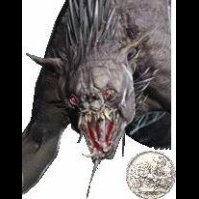
King John Inviato 2 Agosto, 2016 Autore #372 Inviato 2 Agosto, 2016 GRIECHISCHE MÜNZENKÖNIGREICH MAKEDONIENPERSEUS. 179-168. AE-20 mm. Kopf des Heros Perseus r. mit geflügeltem Greifenhelm. Rs: Adler frontal auf Blitz, Kopf r. Beizeichen Harpa. Monogramme. SNG COP. 1280. Dunkle, etwas fleckige Patina. vz Nell'immagine: guerriero trace che indossa lo stesso tipo di elmo con cui è tradizionalmente raffigurato Perseo Cita Awards
King John Inviato 4 Agosto, 2016 Autore #373 Inviato 4 Agosto, 2016 GELA. Litra. Ca. 430-425. Behelmter Reiter mit Speer und Schild l. Rs: CE_A_; androkephale Stierprotome r. SNG COP. 275. SNG München 297. 0,71g. vz-ss Cita Awards
King John Inviato 4 Agosto, 2016 Autore #374 Inviato 4 Agosto, 2016 CRETEPhaistosEstimate: CHF 7'500.00Stater (Silver, 11.66g 2), c. 280. Herakles, nude and seen from behind, striding to left, battling the Hydra. Rev. Bull walking to left, head facing. BMC 13. Le Rider pl. XXIII, 15. SNG Lockett 2592. Svoronos 53, pl.XXIV, 16. Rare. Attractively toned and very well centered with a powerful obverse. Overstruck, probably on Cyrene. About extremely fine. Cita Awards
King John Inviato 7 Agosto, 2016 Autore #375 Inviato 7 Agosto, 2016 THE ALFRED FRANKLIN COLLECTION OF ANCIENT COINS, ROMAN SILVER AND BRONZE COINS , Constantius II (AD 337-361), Silver Miliarense, mint of Thessalonica, struck AD 350-355, D N CONSTAN-TIVS P F AVG , pearl-diademed, draped and cuirassed bust facing right, rev VIRTVS EXERCITVS , soldier, wearing military attire, standing facing, head turned right, holding a shield and a spear, TES in exergue, 4.48g, 6h (RIC 160; C 326). Attractive old cabinet tone, extremely fine, rare. ex The New York Sale XXX, Baldwin / Markov / M&M, 9 January 2013, lot 318 Mint of Rome unless otherwise stated £2000-2500 Cita Awards




.thumb.jpg.49bf7893ab8deb0b9efbfc02c41b7421.jpg)



Risposte migliori
Unisciti alla discussione
Puoi iniziare a scrivere subito, e completare la registrazione in un secondo momento. Se hai già un account, accedi al Forum con il tuo profilo utente..